Decisions for the Long Haul

As a multi-generational family-owned business, Enterprise Mobility strives to operate with future generations in mind.
Our forward-looking approach of managing for the long term guides the way we grow our business, support our people, cultivate partnerships and give back to the communities in which we live and work. As we continue to expand and diversify our offerings to deliver a range of mobility solutions to our customers, we are also striving to reduce our environmental impact, invest in local communities, empower our team members and find new ways to integrate sustainable practices across our global operations.
We know a strong Environmental, Social and Governance (ESG) framework supports a sustainable future, and we work collaboratively to address important ESG topics throughout our organization. We’ve also aligned our sustainability efforts with five of the United Nations Sustainable Development Goals (UNSDGs) where we believe our business operations have the potential to drive significant progress and impact for global communities.
Committed to Making an Impact
Across our network of offices, facilities and global branches, we strive to improve operational efficiency, incorporate sustainable practices, invest in innovative solutions and support industry partnerships to reduce our environmental impact.
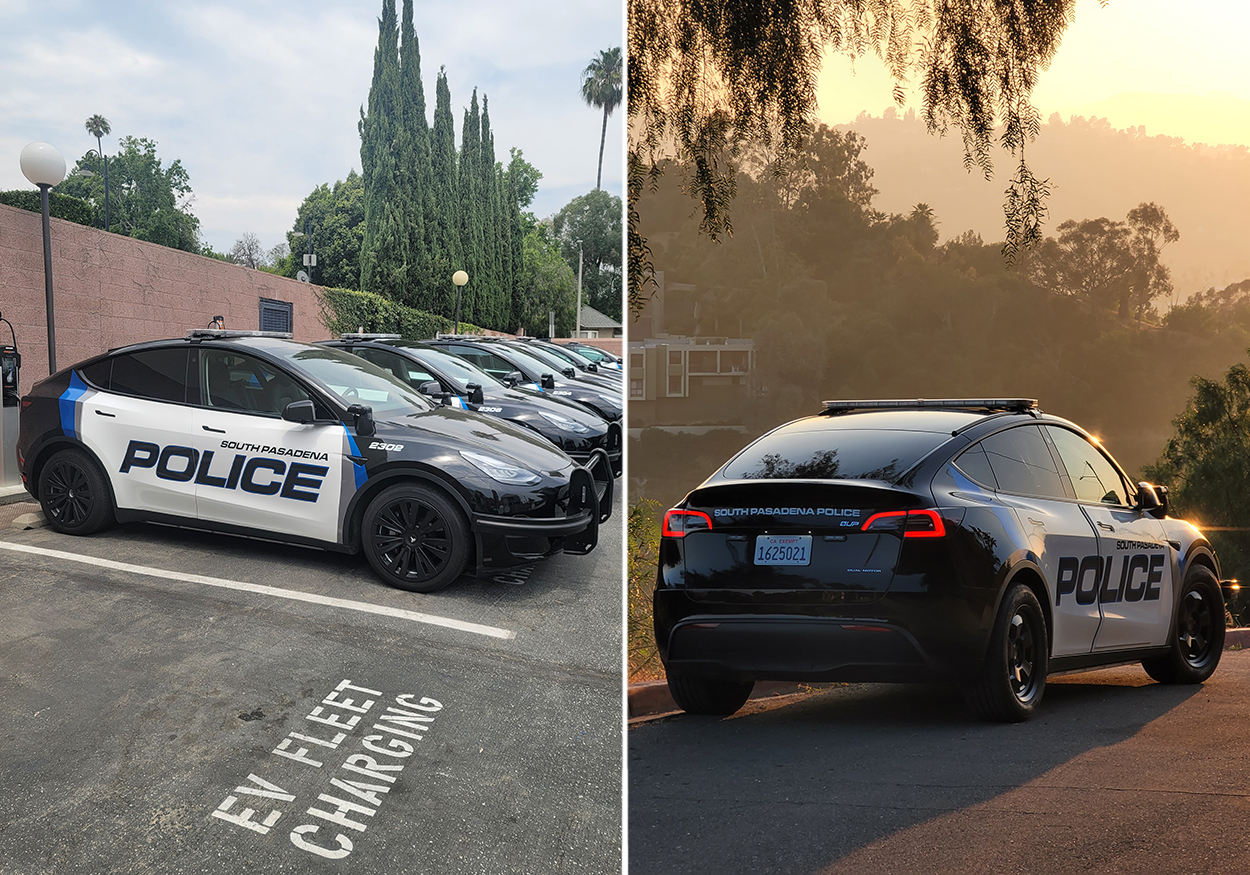
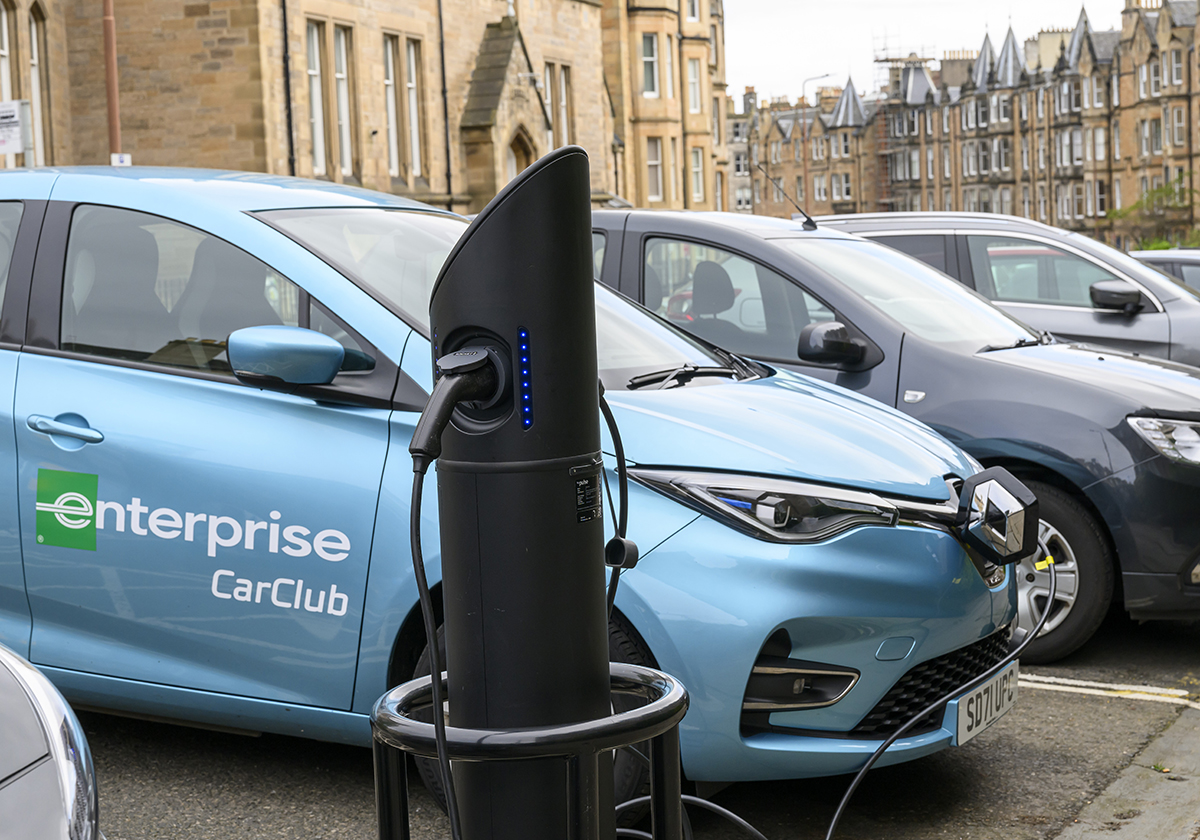
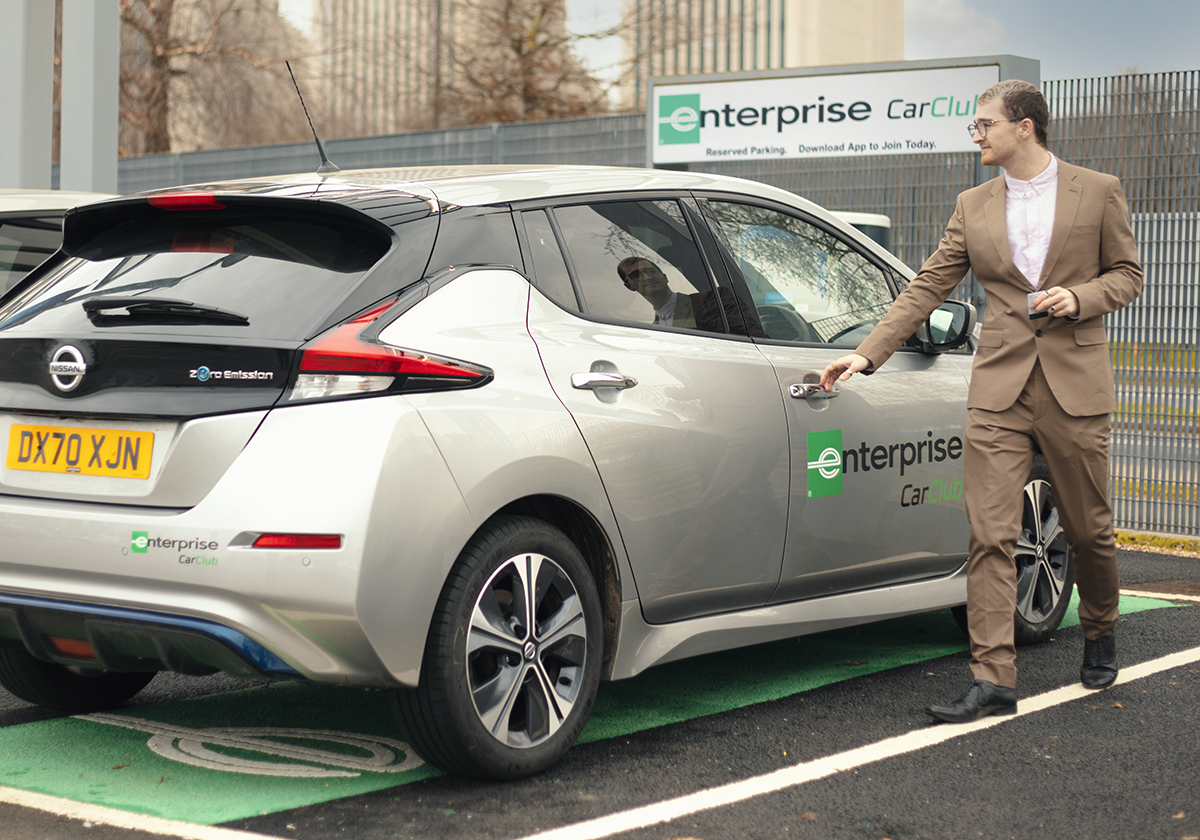
Enterprise Mobility offers one of the most fuel-efficient fleets in the car rental industry, with nearly 160,000 hybrids and EVs globally. In addition to the zero tailpipe emissions when driving our EVs, the hybrid models within our daily rental fleet offer an estimated average fuel savings of more than 30%, compared to our fuel-efficient internal combustion engine (ICE) vehicles.
Globally, our fuel-efficient rental fleet averages 30.01 miles per gallon. *
* Global MPG and gCO2e/km estimates are calculated using group-owned vehicle fleets (including EVs) for daily rental (Enterprise Rent-A-Car, National Car Rental and Alamo) only. MPG and gCO2e/km calculations are weighted on rental days, which include round trip, one-way, same day, insurance replacement and longer-term rentals. Objective inputs are made for vehicles with missing fuel type and/or fuel economy values in accordance with our MPG/Fuel Type imputation methodology. Global Warming Potential (GWP) values used in fuel-based calculations are as reported within the Intergovernmental Panel on Climate Change’s (IPCC) Fifth Assessment Report. Please note that Enterprise Mobility uses AR5 GWP values for its carbon calculations. Emission factors are from EPA Emission Factors for GHG Inventories (March 16, 2023), Table 2 - Mobile Combustions for CO2 and Table 3 - Mobile Combustion CH4 and N2O for On-Road Gasoline Vehicles.
Within our facilities, we identify ways to be more energy efficient through automated LED lighting and smart building management systems.
FY25 Highlights
- Completed LED lighting conversions at four locations, increasing the number of retrofitted sites to 100% across 51 total locations in central Canada's operating group
- Upgraded 89% of total smart meters across all U.K. locations to access real-time energy use data and identify improvement opportunities
- Built four new modular facilities in Germany designed to cut energy demand by 20%, supporting low-impact, high-efficiency operations
Across our global operations, we are working to assess our water consumption and explore solutions that enable us to recycle and reuse water where possible. We also conduct regulatory assessments in key markets to ensure our offices, branches and facilities in those key locations meet the region’s water quality standards and guidelines.
In FY24, we leveraged the World Resource Institute Aqueduct Water Risk Atlas to comprehensively identify and evaluate water risk across our operational footprint. Our 70+ global operating groups were analyzed, enabling us to take a systematic and data-driven approach to assessing water risks globally, including water demand, depletion, decline in groundwater and drought measures. By prioritizing high water-risk areas first, we aim to enhance our water management strategies.
We work with supply chain and industry partners to recycle and repurpose waste materials associated with business operations and fleet maintenance, including oil, tires and windshields.
Enterprise Mobility FY25 global waste highlights include:
- 1.5 million gallon of engine oil recycled
- Over 8,000 tons of tires recycled
- Over 913 tons of auto glass recycled
Enterprise Mobility customers can participate in a program that helps offset carbon dioxide generated from renting cars. In FY25, 14,188 metric tons of CO2e have were offset through our partnership with Terrapass® in North America.
Sustainability News