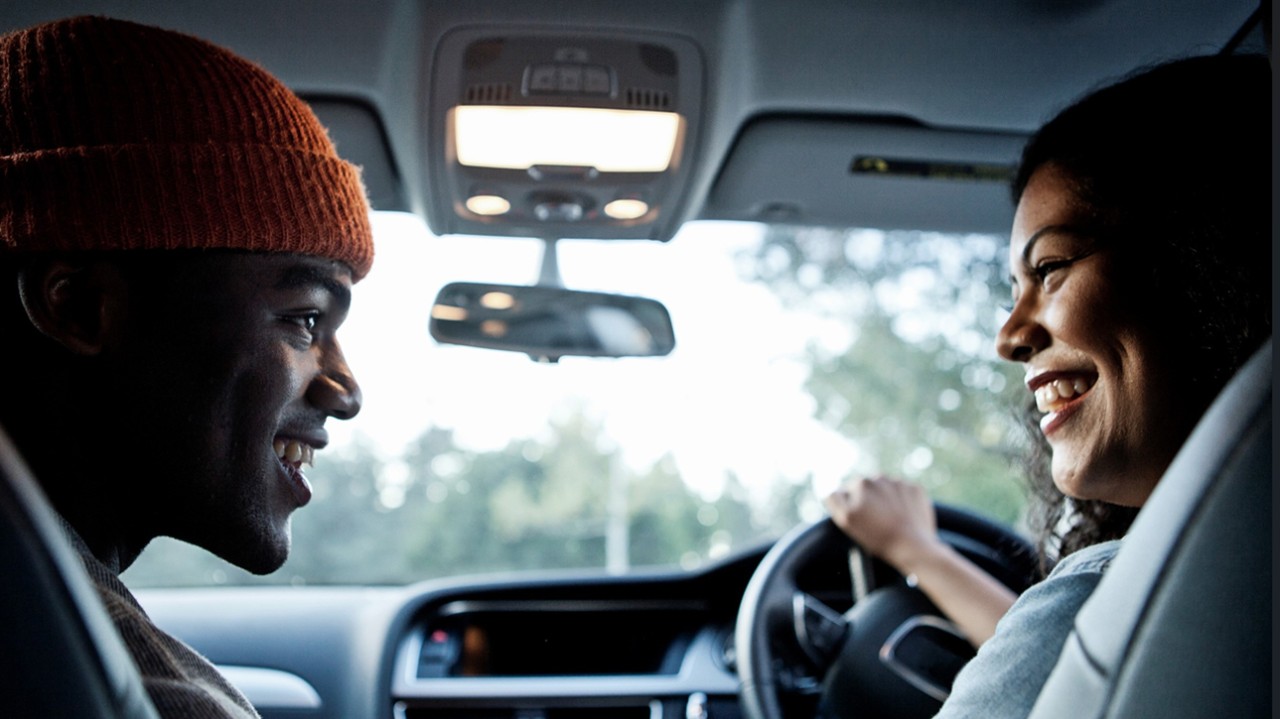
Drivers Want Tech Balance
U.K. drivers want balance with vehicle technology, with over half (54%) of those surveyed indicating they would prefer a mix of touch screens and physical buttons.
In addition, nearly three-quarters (74%) worry about things like repair costs if something breaks, and well over half (64%) of drivers say they would willingly give up the latest tech for a more affordable vehicle.
Despite this, everyday tools like GPS and Bluetooth are still considered must-haves, and safety is a key consideration for consumers, with nearly half (47%) preferring to have advanced driver assistance features in their vehicles, including blind spot detection, automatic emergency braking and lane departure warning.
Experience Is the Key to Changing AV Perceptions
Although fully autonomous vehicles (AVs) remain on the fringe of British driving culture, we are increasingly seeing more advanced technology in new vehicles to help assist drivers. Fewer than 1-in-5 drivers say their ideal level of automation is high or full automation, and overall comfort with riding in an AV has declined by five percentage points (5pp) since 2024. Despite limited AV experiences among the U.K. public, among those who’ve actually ridden in an autonomous vehicle, ninety-one percent (91%) report feeling the same or more positive about the technology, reinforcing that direct experience could be key to future adoption.
And there are some British drivers considering the wide array of benefits that AVs can provide:
- Sixty-five percent (65%) of those who are excited about AVs recognise they’ll make travel easier for people who can’t or don’t drive.
- Almost half (46%) of those excited about AVs recognise that they'll give riders time to do things in a car besides drive; for example, turning commutes into "me time."
"Technology is clearly reshaping how people think about driving," said Ben Lawson, vice president of strategic initiatives at Enterprise Mobility. "When drivers have the chance to try new technology for themselves — whether that’s assisted driving features or more advanced automation — they tend to feel more comfortable and confident. We will continue to research and test new technologies, listen to our customers’ needs, preferences and concerns, and gain a deeper understanding of how these innovations could shape the future of mobility."
About the Survey
** The Mobility Survey was conducted online between April 30–May 17, 2025, among a population of 3,000 total adults across the U.S. (n=1,500) and U.K. (n=1,500). The generation splits for the U.K. were Gen Z (17%), Millennial (28%), Gen X (25%), Baby Boomer (24%) and Silent Generation (6%).
TRUE Global Intelligence, the in-house research practice of FleishmanHillard, conducted the study with an opt-in-research panel. At the time of the survey, qualified participants were 18 years or older.